
RFTA's Battery Electric Bus Fleet
Cleaner buses are an important part of RFTA's plan to reduce greenhouse gas emissions and build a more sustainable transit system.
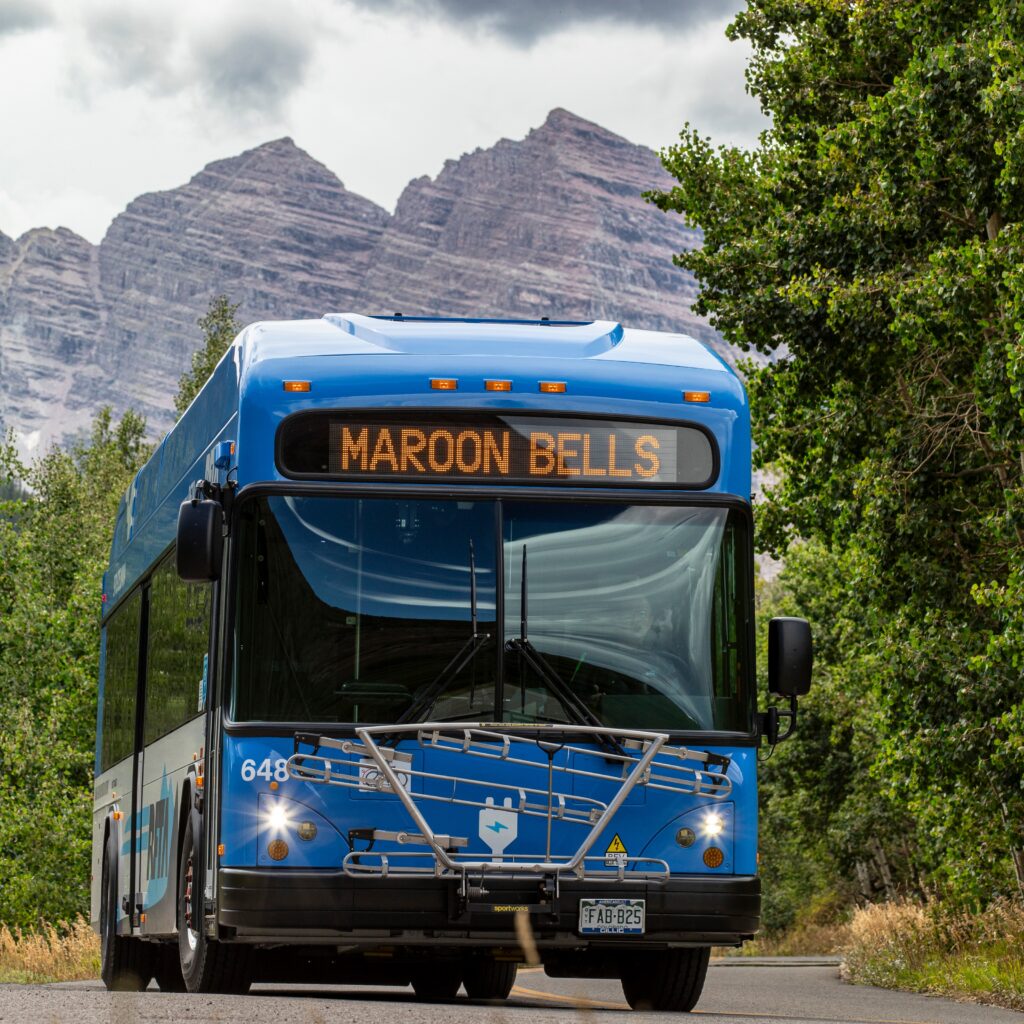
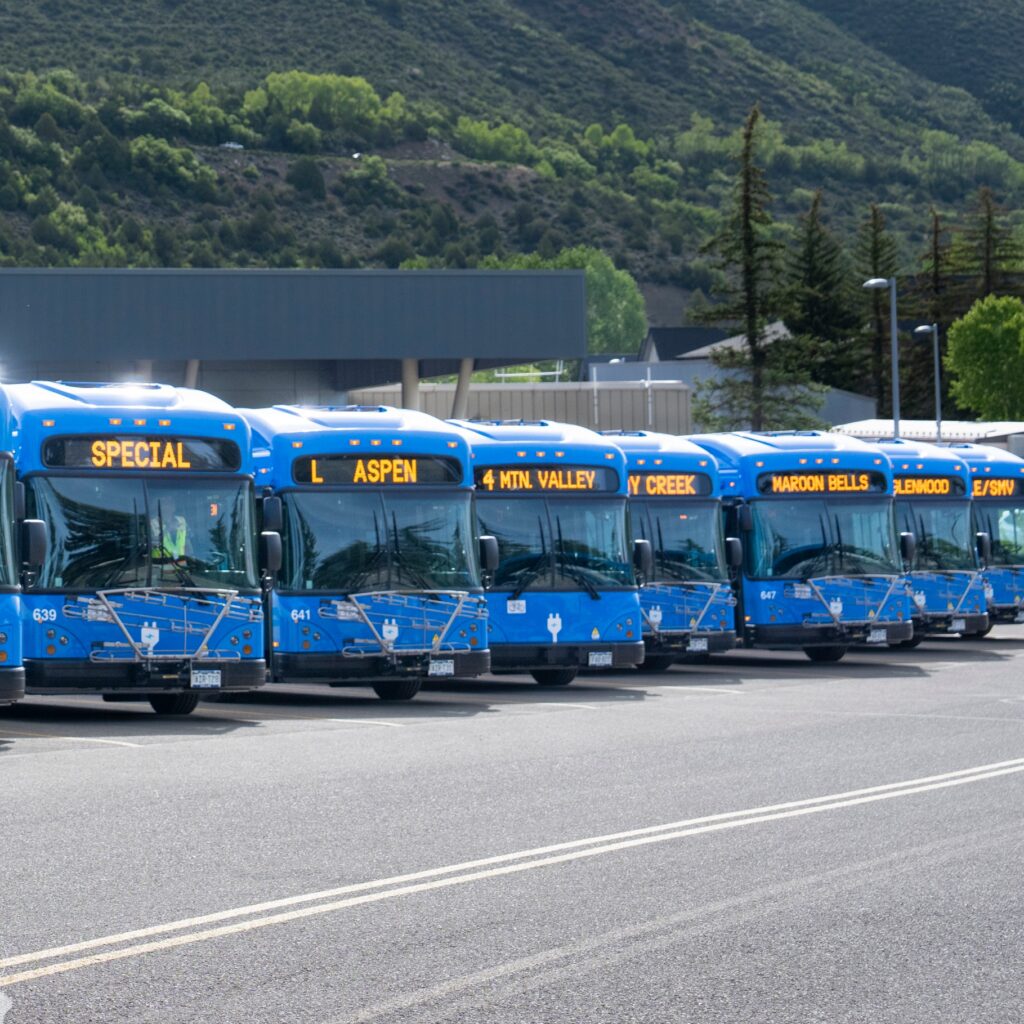
Beginning with RFTA’s fall schedules on September 21, 2026, 11 Gillig battery electric buses will enter service, bringing RFTA’s electric fleet to 19 buses. They join eight New Flyer Excelsior battery electric buses introduced in 2019 and will operate throughout RFTA’s regional system, including the Roaring Fork Valley Local and VelociRFTA BRT routes.
Why RFTA is Going Electric
RFTA’s Climate Action Plan identified transitioning bus and support vehicle fleets to zero-emission technologies by 2050 as a key strategy for reducing direct greenhouse gas emissions. Because fleet operations represent the majority of RFTA’s direct emissions, replacing fossil fuel vehicles is one of the most significant ways we can reduce our operational carbon footprint.
From 8 Electric Buses to 19
RFTA introduced its first eight battery electric buses in 2019. Those New Flyer Excelsior buses have provided years of experience operating electric vehicles in the Roaring Fork Valley’s high-elevation, mountainous and cold-weather environment.
The new Gillig buses have 686-kWh batteries and an expected range of around 250 miles on a charge, more than double the range of the 2019 electric buses. Ranges can vary with weather, passenger loads, route conditions and heating or cooling needs.
Charging an Electric Fleet
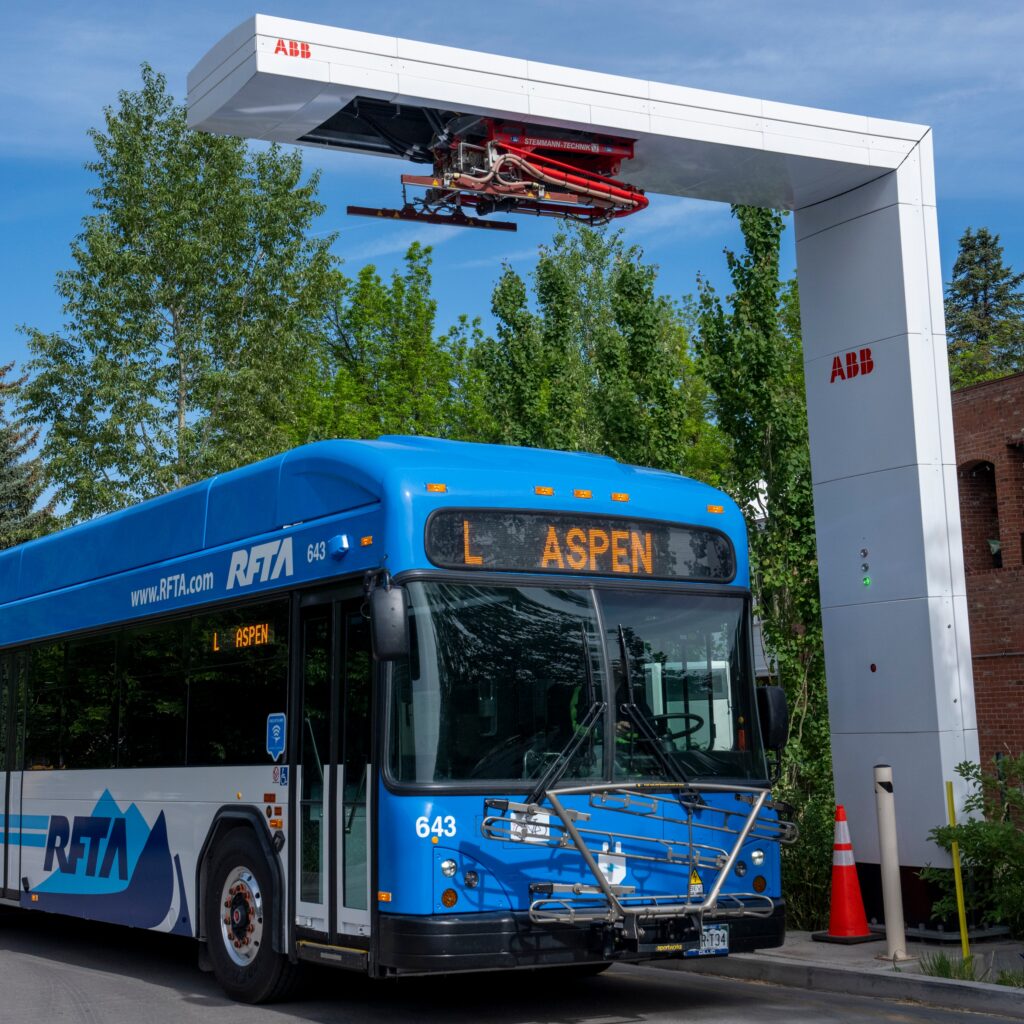
RFTA has invested in electrical systems, charging equipment and maintenance facilities needed to support a growing zero-emission fleet. RFTA uses charging equipment at its Glenwood Springs and Aspen Maintenance Facilities, along with an overhead pantograph charger at Rubey Park Transit Center in Aspen. A pantograph is a quick-charging system that connects to the top of the bus and adds power between service runs. This helps electric buses stay on the road longer instead of returning to a maintenance facility for a full charge.
Building Toward a Lower-Emission Fleet
Transit buses have long service lives, so RFTA replaces vehicles as they reach the end of their useful lives while also expanding charging infrastructure, electrical capacity, and employee training.
In 2026, the 11 Gillig battery electric buses are replacing older diesel buses and represent another step toward RFTA’s long-term goal of transitioning its revenue and support fleets to zero-emission vehicles by 2050.
Frequently Asked Questions
Why does RFTA still operate diesel and compressed natural gas buses?
Replacing an entire transit fleet takes time. RFTA replaces buses as they reach the end of their useful service lives while also considering route requirements, vehicle performance, charging capacity, reliability and available funding. This phased approach allows RFTA to reduce emissions without compromising transit service.
Do electric buses work in cold weather and mountains?
Yes, but conditions matter. RFTA's first electric buses have provided years of experience operating in cold temperatures, high elevations and significant grades. Temperature, terrain, passenger loads and heating or cooling needs can all affect battery range.
How were the electric buses funded?
Funding for RFTA's newest fleet of battery-electric buses was secured through two grants administered by the State of Colorado: the State’s Clean Transit Enterprise (CTE) Fund and a Volkswagen Settlement Grant.
The CTE was established under Senate Bill 21-260 in 2021 to finance cleaner and expanded public transportation across Colorado, including zero-emission transit buses, charging or alternative-fueling infrastructure, transit-facility modifications, and fleet-electrification planning and workforce preparation. The fund receives revenue primarily from the Clean Transit Retail Delivery Fee (one component of the fee charged on taxable retail deliveries made by motor vehicle) and, for the expanded transit programs, an oil-and-gas production fee. The enterprise awards the money through formula and competitive grants.
Colorado received more than $68.7 million from the national Volkswagen diesel-emissions settlement and must use it for projects that reduce emissions from mobile sources. The State administers Volkswagen Settlement grants through a multi-agency framework led by the Colorado Department of Public Health and Environment.
Where is the electricity sourced to power the buses?
RFTA's electric buses are charged using electricity from the local electric grid. The electricity source varies depending on the RFTA facility and its utility provider.
At the Aspen Maintenance Facility (AMF), electricity is provided by Holy Cross Energy (HCE), which has been working with RFTA on charging infrastructure, time-of-use rates and renewable energy options. HCE's goal is to provide 100% clean, affordable and reliable energy to its members by 2030.
The Glenwood Maintenance Facility (GMF) is supplied by the City of Glenwood Springs Electric which has 100% renewable energy credits. As of June 1, 2019, the City of Glenwood Springs officially sources 100% of its municipal electricity from renewable energy credits.
Are electric buses more expensive?
Battery electric buses and their charging infrastructure require significant upfront investment. Electric buses can reduce fuel costs and some maintenance expenses over their useful lives, but total costs also include charging equipment, electrical upgrades and facility improvements.
What happens to RFTA's older buses?
RFTA retires older vehicles as they reach the end of their useful service lives. The addition of the new electric buses has allowed RFTA to begin retiring older diesel buses from revenue service.